-
Equipping youth with
knowledge and skills
-
Encouraging healthier
lifestyle choices
Equipping youth with
knowledge and skills
Encouraging healthier
lifestyle choices

ZASHO’s Vision for a Healthier Future
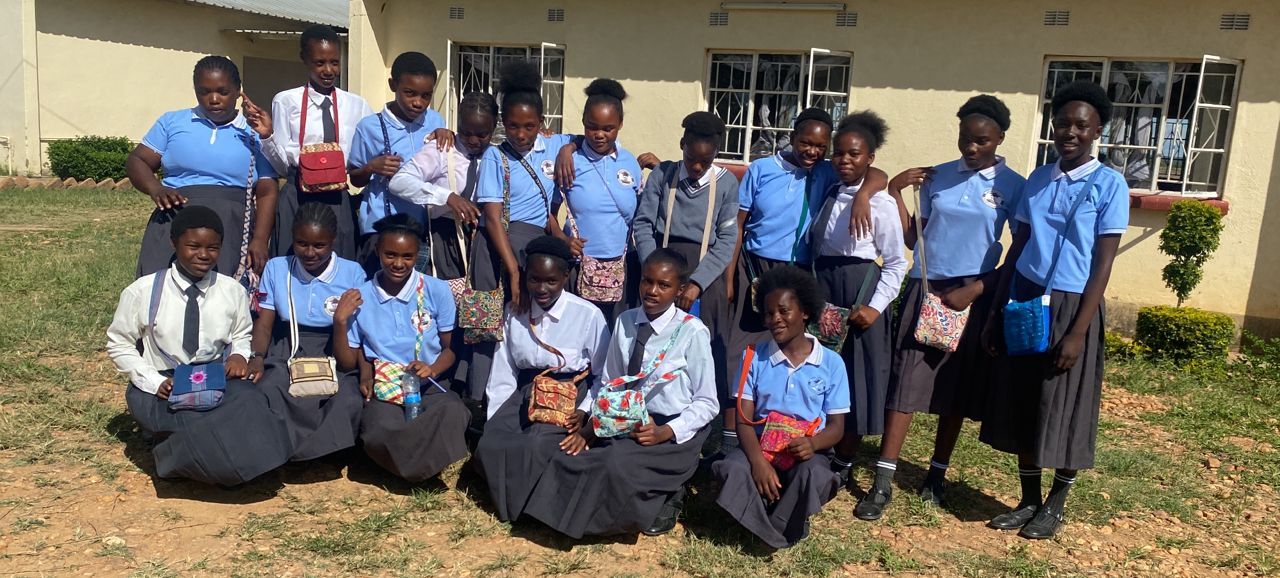
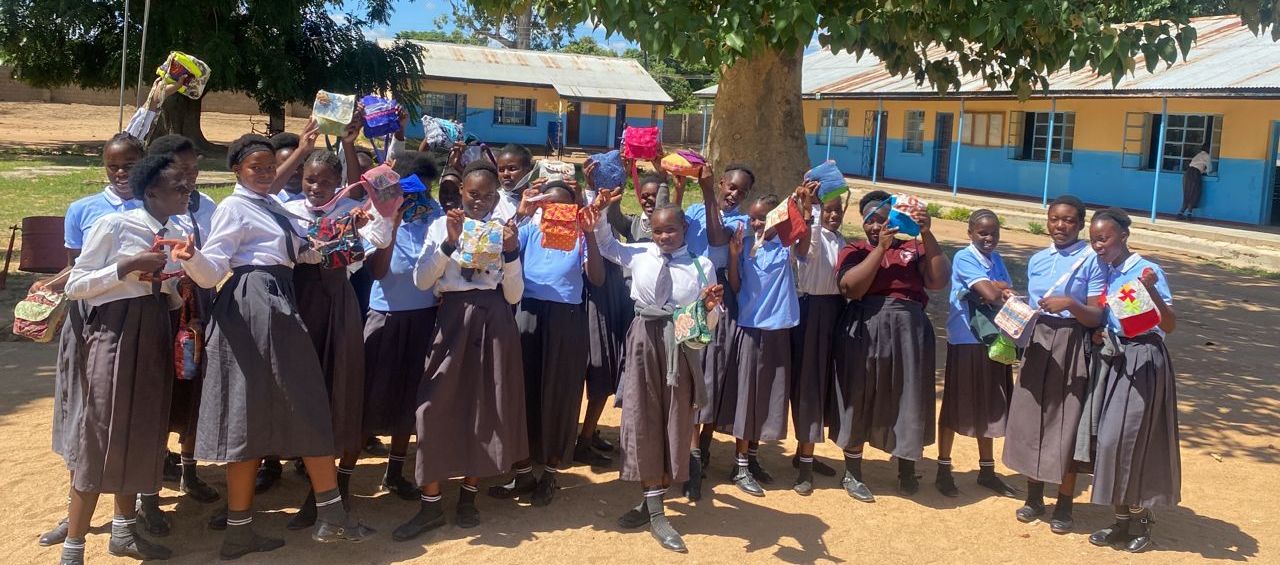
Zambian Adolteens Sustainable Health Organisation is a rights based, community driven organizationadvancing health, human rights, governance, and sustainability. Through agroecology, youth empowerment, gender equality, climate resilience, and inclusive governance, we build stronger communities that thrive with dignity, equity, and justice. Our integrated approach aligns with global development priorities and ensures lasting impact for vulnerable populations.ZASHO works to promote sustainable development, improved health outcomes, environmental sustainability, human rights, and inclusive governance. The organization implements integrated programs that address nutrition, agroecology, sexual and reproductive health, gender equality, climate change adaptation, youth empowerment, public resource management, democratic governance, and community resilience. Through community-driven initiatives and partnerships with government institutions, civil society organizations, and development partners, ZASHO strengthens the capacity of communities to improve livelihoods, protect natural resources, promote social justice, and actively participate in development and governance processes.
A just and sustainable world where adolescents, youths, women, and men live healthy, empowered lives, free from stigma and inequality, while actively shaping inclusive governance, protecting human rights, advancing agroecology, and safeguarding the environment for future generations.
To strengthen communities in Southern Zambia by advancing human rights, inclusive governance, and sustainable development. ZASHO empowers adolescents, youths, women, and men through transformative programs in health, gender equality, climate resilience, agroecology, and livelihoods, ensuring that every individual can thrive with dignity, equity, and resilience while contributing to social justice and environmental sustainability..
Integrity – Upholding the highest ethical standards in all actions and decisions. Accountability – Taking responsibility for actions, decisions, and their impact on others. Inclusiveness – Embracing diversity and ensuring that all voices are heard and respected. Collaboration – Working together across sectors and communities to achieve common goals. Transparency – Being open, honest, and clear in communication and operations. Sustainability – Committing to practices that protect and preserve the environment for future generations Empowerment – Enabling individuals and communities to take control of their health and well-being. Respect – Valuing the dignity, rights, and contributions of every individual.
Sexual and Reproductive health and Rights, Agroecology- Health and Just food Systems, Environment, Climate Change, & Education Gender Based Violence, Epidemic preparedness, Psychosocial Life skills, Norms and behavioral change, Advocacy and Consultancy.
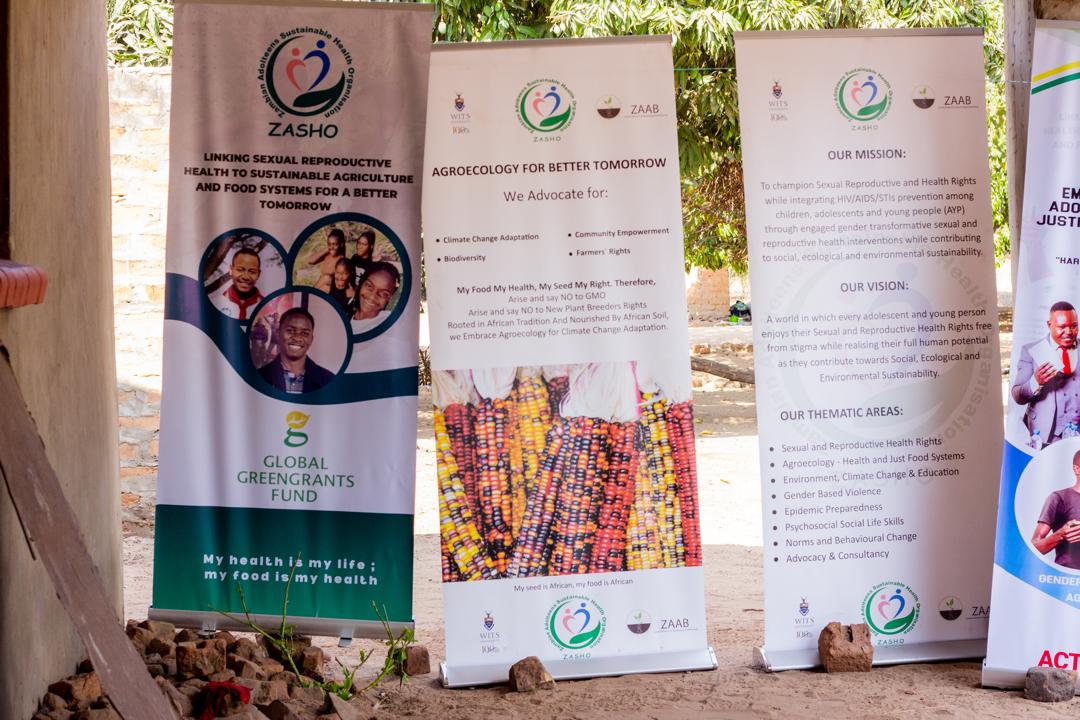
ZASHO promotes sustainable and healthy food systems through nutrition education, agroecological farming practices, and biodiversity conservation. The organization supports community-led initiatives that enhance ecological sustainability, strengthen resilient food production systems, and improve the nutritional wellbeing of vulnerable populations.
ZASHO works to improve access to comprehensive sexual and reproductive health information and services for adolescents and young people. The organization also advances gender equality by addressing harmful social norms, preventing gender-based violence, and empowering women and girls while engaging men and boys as partners for gender equality.
ZASHO promotes climate change awareness and environmental stewardship through community-based initiatives that strengthen resilience to climate variability. The organization supports sustainable natural resource management and environmental protection while empowering communities to adopt climate adaptation strategies.
ZASHO empowers young people through life skills development, vocational training, and entrepreneurship support. These programs enhance employability, economic empowerment, and resilience among young people facing socio-economic and environmental challenges.
ZASHO promotes human rights, transparency, and citizen participation in governance processes. The organization advocates for responsible public resource management, accountability in public institutions, and inclusive decision-making processes that enable communities to actively participate in development planning and governance
• Nutrition education and promotion of healthy diets
• Agroecology and sustainable farming practices
• Biodiversity conservation and ecosystem protection
• Strengthening community food systems and food security
• Comprehensive sexuality education
• Adolescent sexual and reproductive health services
• Access to reproductive health information and referrals
• Promotion of informed decision-making on reproductive health
• Prevention of gender-based violence
• Community awareness on harmful social norms
• Women and girls’ empowerment initiatives
• Engagement of men and boys in gender equality
• Climate change adaptation strategies
• Environmental education and awareness
• Community resilience to climate variability
• Sustainable natural resource management
• Life skills education for young people
• Vocational and entrepreneurship training
• Youth leadership development
• Civic participation and community engagement
• Community health education
• Strengthening community health resilience
• Epidemic preparedness and response awareness
• Community-based interventions to prevent emerging public health threats
• Human rights awareness and education
• Promotion of transparency and accountability in public resource management
• Citizen Participation in governance and development processes
• Advocacy for social justice and inclusive policies
• Evidence-based research to inform development programs
• Community-driven advocacy initiatives
• Strategic partnerships for sustainable development
• Policy engagement to influence inclusive and sustainable development
ZASHO Strengthens Strategic Partnerships to Promote Health, Sustainability, and Community Well-being

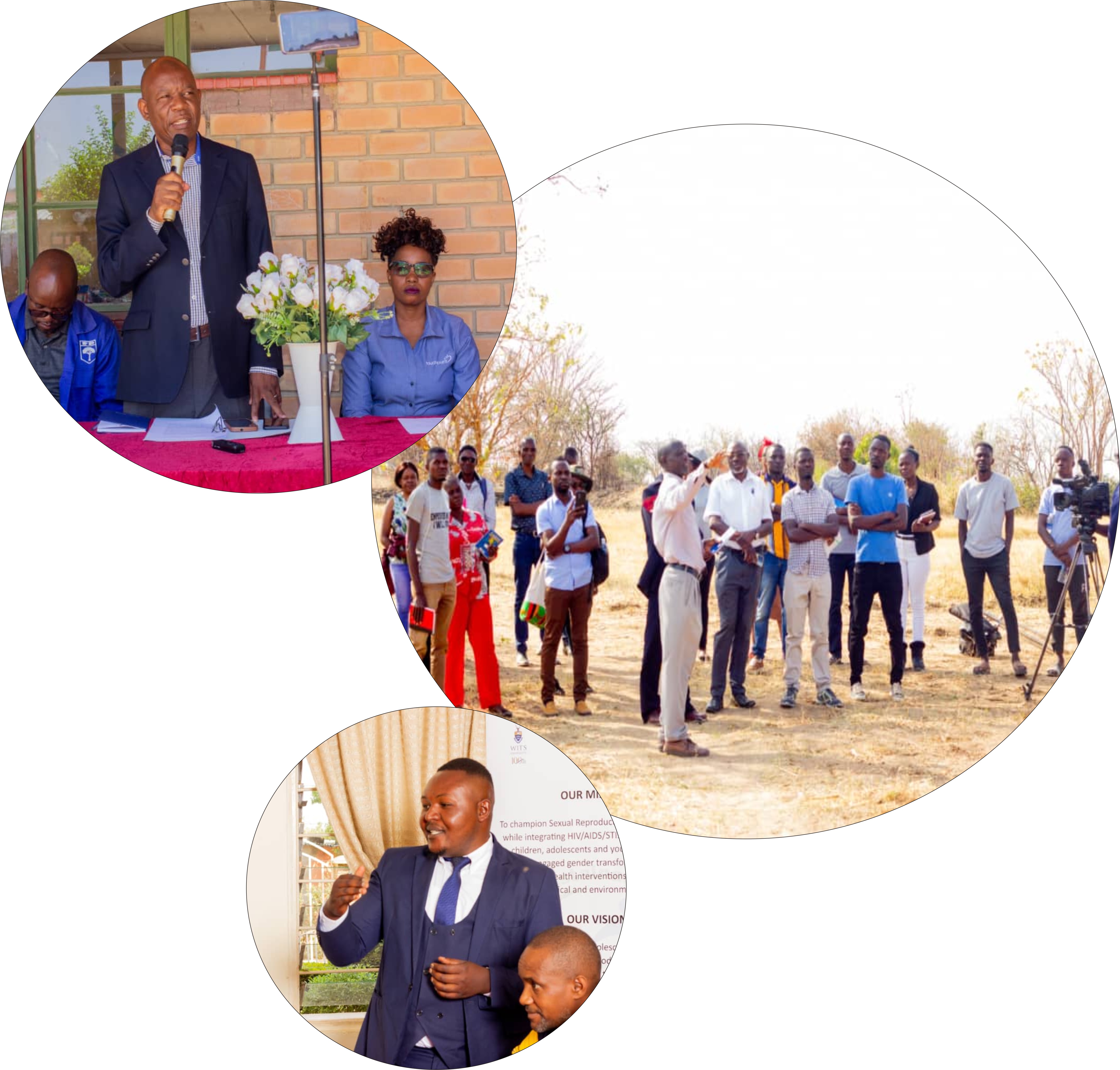
Zambian Adolteens Sustainable Health Organisation (ZASHO) collaborates with a diverse network of partners, including government ministries and local authorities, non-governmental organizations (NGOs), community-based organizations (CBOs), faith-based institutions, private sector partners, and international development organizations. Key partners include the Zambia Alliance for Agroecology and Biodiversity (ZAAB), the Southern African Faith Communities’ Environment Institute (SAFECEI), the Global Greengrants Fund, and Act Ubumbano. We also work closely with the Ministry of Health and the Ministry of Education to align our initiatives with national priorities..
Additionally, our academic partnership with the University of the Witwatersrand strengthens our work through research and knowledge sharing, enabling sustainable impact in communities.
United for Impact: The Skilled Team Behind ZASHO’s Success
ZASHO’s Strategy: Addressing HIV, Gender-Based Violence, and Climate Change to Meet 2030 Goals
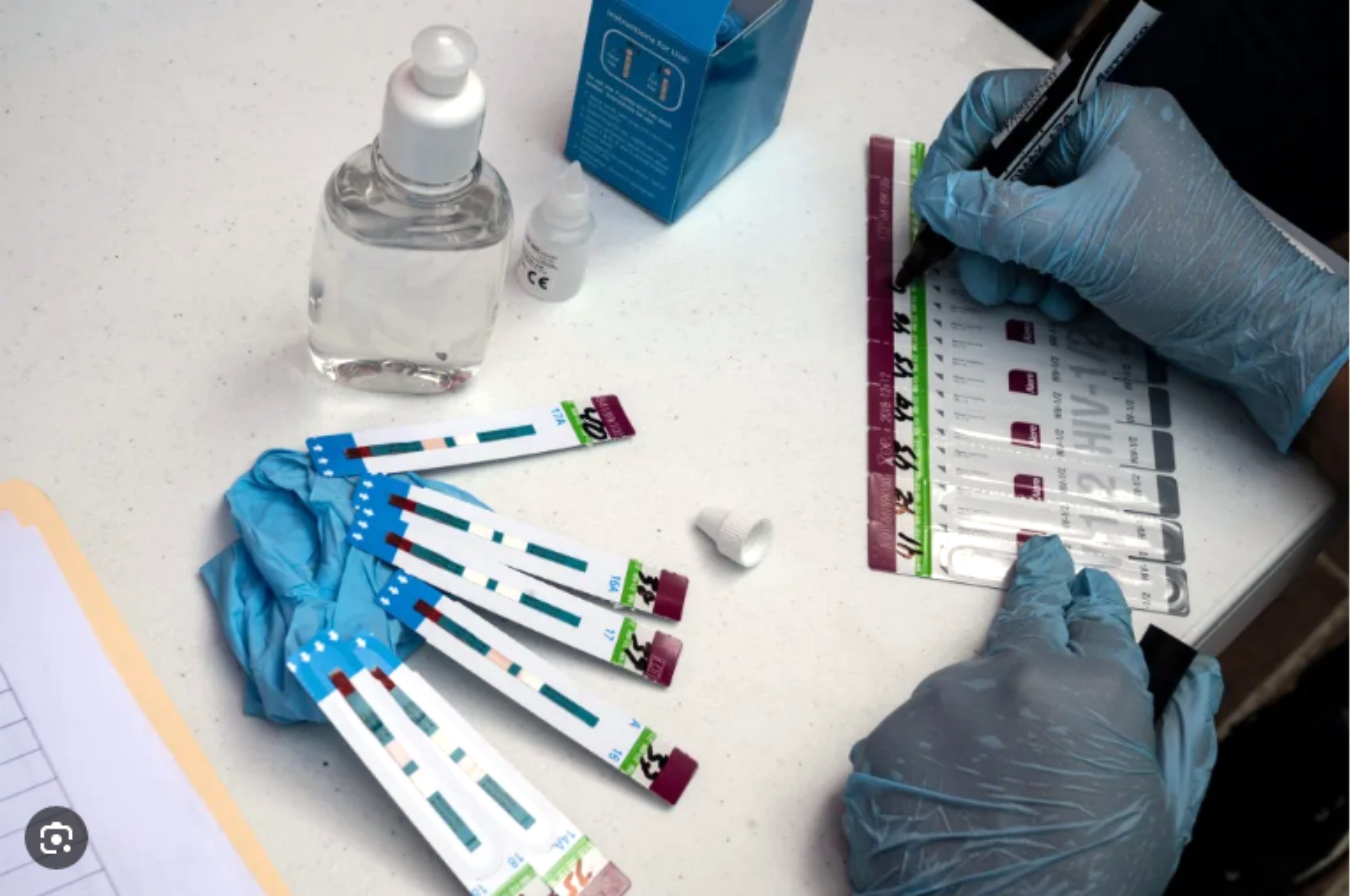
Globally, out of seven (7) new HIV infections, two (2) are young people aged between 15 to 24 years old (UNAIDS: 2021). In 2020, 410 000 young people between the ages 10 to 24 years old were newly infected with HIV of whom 150 000 were adolescents aged between 10 to 19 years old. In three young people, only one demonstrates accurate knowledge of HIV prevention (UNICEF: 2019). Then in Sub-Saharan Africa, of all HIV infections among the adolescents, 80% are girls aged between 15 and 19 years old. Adolescent girls and young women are also twice to be living with HIV than young men of the same age. In Zambia, amongst adolescents and young people who are HIV positive, 34% are females whereas 37.7 are males and only four in 10 adolescents aged 15 to 19 years do have comprehensive knowledge of HIV (ZAMPHIA:2016).
The 2030 Agenda for Sustainable Development includes a certain specific goal to ensure health lives and promote well-being for all at all ages. Within this goal it includes a specific target (3.31), which aims at ending the AIDS pandemic by 2030(UNAIDS: 2016). As Zambian Adolteens Sustainable Health organization (ZASHO) we realize that if we don't intervene on adolescents' health and the health of young people, then the Global Goal for Vision 2030 will not be achieved and the Zambian government’s efforts to provide free education will be undermined by sexual reproductive health challenges such as teenage pregnancies, early marriages, HIV infections and mental health challenges. Therefore, ZASHO is working with adolescents and young people in order to foster community and national development through advocating for delay in sexual debut and practicing healthier sexual lifestyles. This is being done with a view of meeting the 95-95-95 target for HIV prevention: 95% of people living with HIV knowing their HIV status; 95% of people who know their status on treatment and 95% of people on treatment with suppressed viral loads.
Addressing Socio-Economic Barriers: ZASHO’s Commitment to Adolescent Health and Development
With the above elaborated socio-economic and health barriers, unfortunately, adolescents and young people are robbed of their future and the opportunity to transform society and foster formulation of sustainable development strategies in the country. If these adolescents and young people are not availed with information and access to sexual and Reproductive Health services, then we place the development of our societies and country in jeopardy. In the context of this therefore, there is urgent need to equip adolescents and young people with the knowledge and the power to make their own decisions about their bodies and futures. ZASHO would like to identify itself with the efforts of Government and other stakeholders to enhance adolescent’s access to healthcare services, hence the
need for this organization to empower and educate these groups of people about good health seeking behaviors and how to access health information and education
My health, my life. My seed, my right. My food is African, my roots are African.
Environmental and Climate Change Initiatives: - Contribute to creating and enhancing environmental and climate change efforts through vibrant campaigns, education, sensitization, training, and capacity building. School Community Engagement:- Help school communities explore environmental issues, engage in problem-solving, and make informed decisions to improve their environment. Youth Nurturing: - Support boys and girls in learning about and contributing to environmental sustainability. Sustainable Farming: - Build capacity among small-scale farmers to transition to sustainable farming practices. Biodiversity Enhancement: - Educate young people and farmers on enhancing and maintaining biodiversity within agricultural systems.
To establish safe and inclusive spaces in the communities to significantly enhance access to comprehensive healthcare services such as HIV prevention interventions. To increase equitable access to care and improve good health outcomes for adolescents and children living with HIV/AIDS. To reduce, or better still, completely end gender-based violence amongst young women and men. To actively raise awareness and significantly reduce stigma associated with mental illnesses.To address and overcome barriers to quality healthcare systems through the effective integration of quality improvement and quality assurance programs.”
About 49.5% of adolescents have experienced a mental health issue at some point in their lives. This could be due to a variety of challenges such as anxieties, disorders, phobias, academic pressures, and stressful family relationships, as well as infections like HIV and other sexually transmitted infections, substance abuse including alcohol and drug misuse, among others. If these issues are left unchecked, the number of adolescents and young people affected by mental health problems will continue to rise dramatically, potentially leading to a significant increase in suicide cases and other adverse outcomes.